Inside Northern Europe's Regulated Platforms: How Local Licensing Shapes Variant Wheel Payout Structures and Player Decision Patterns
Kirjoittanut Kai Simon · 2.9.2026
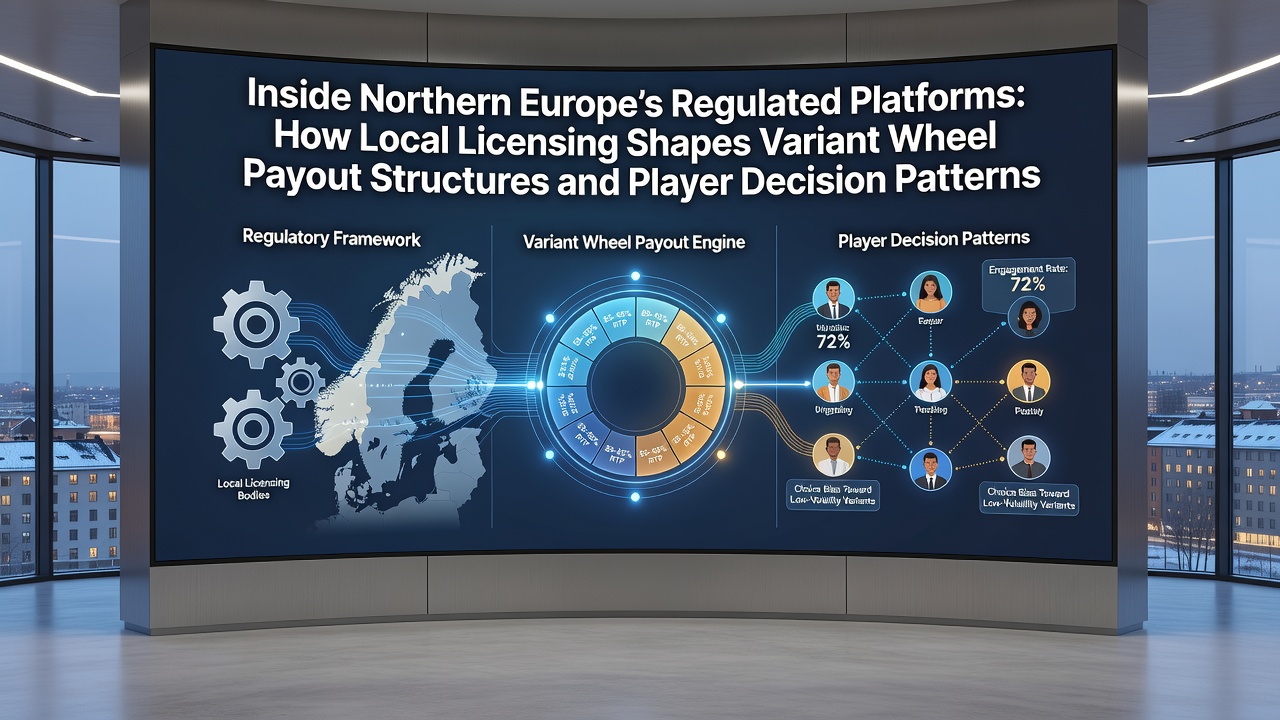
Inside Northern Europe's Regulated Platforms: How Local Licensing Shapes Variant Wheel Payout Structures and Player Decision Patterns
Northern European countries maintain distinct licensing systems that directly influence how operators structure payouts across roulette variants, and these rules guide the options presented to players on digital platforms.
Regulatory Foundations Across the Region
Denmark's Spillemyndigheden enforces strict payout caps on certain wheel configurations while Sweden's Spelinspektionen requires transparency reports that detail house edges for European and French variants, and Norway's state monopoly channels all activity through a single licensed provider that standardizes wheel mechanics. Observers note these frameworks emerged from national laws passed in the 2010s yet continue to evolve with new compliance layers added each year.
Finland operates through Veikkaus as the exclusive licensed entity, which limits variant availability to those meeting national payout minimums, whereas Estonia permits multiple private operators under the Estonian Tax and Customs Board but mandates RNG audits that affect wheel segment probabilities. Data from regulatory filings shows operators adjust French wheel payouts more frequently in jurisdictions requiring player protection disclosures compared with regions that focus solely on tax revenue collection.
How Licensing Alters Variant Structures
Local rules determine whether operators can offer American wheels with double zeros alongside single-zero European models, and licensing conditions often tie approval to specific return-to-player percentages. In practice this means Danish platforms must publish exact payout tables for every wheel variant while Swedish licensees face quarterly reviews that can force adjustments if player complaint volumes rise. Researchers at the University of Helsinki tracked changes between 2023 and 2025 and found platforms in monopoly markets maintain narrower payout spreads across variants because central authorities pre-approve all game parameters.

Multi-clause licensing agreements sometimes require progressive jackpot integrations that alter base wheel payouts, and these clauses appear more often in markets where regulators tie license renewal to innovation metrics. One study released by the Nordic Council in early 2026 examined how such requirements shifted player exposure to lower-edge French variants over standard European wheels in cross-border play scenarios.
Player Decision Patterns Under Licensed Conditions
Players in these regulated environments tend to select variants based on visible payout disclosures rather than marketing claims, and data aggregated by national authorities indicates higher engagement with certified single-zero wheels when platforms must display real-time RTP figures. Patterns emerge where users in Sweden migrate toward French variants after regulators introduced mandatory loss-limit tools that display expected returns per wheel type, whereas Danish players show steadier distribution across available options because licensing already caps promotional incentives.
Case records from platform operators reveal that when local rules restrict bonus structures tied to wheel play, decision patterns shift toward lower-volatility variants regardless of underlying house edges. External analysis from the Australian Institute of Criminology compared Nordic and Oceanian markets and noted similar behavior when payout transparency rules tighten. Yet the ball remains in the regulators' court as new guidelines scheduled for September 2026 will require additional variant-specific risk warnings across all licensed Nordic platforms.
Cross-Border Effects and Emerging Standards
Operators licensed in one Northern European jurisdiction often face barriers when attempting to offer the same wheel payout structures to users in neighboring countries, and these restrictions stem directly from differing licensing criteria on maximum stake limits and variant approvals. Evidence collected by the European Gaming and Betting Association shows that platforms adapt by creating region-specific game libraries, which in turn shapes the decision trees players follow when choosing between sites. Those who study cross-border traffic patterns report increased use of European wheel variants in markets where licensing explicitly favors lower house edges over double-zero models.
Academic papers from the University of Oslo further document how licensing renewal cycles influence seasonal payout adjustments, with operators preparing submissions that highlight player preference data collected under current rules. Such preparations frequently result in temporary variant rotations that affect decision patterns for several months leading up to renewal deadlines.
Conclusion
Local licensing regimes across Northern Europe continue to dictate the payout structures available on variant wheels while simultaneously guiding how players select among those options through mandated disclosures and operational limits. Regulatory updates planned for September 2026 will likely extend these influences further by introducing new transparency requirements that affect every licensed platform in the region.