Mapping Probability Adjustments Across European Wheel Designs in Nordic Digital Casinos
Kirjoittanut Sam Krüger · 22.8.2026
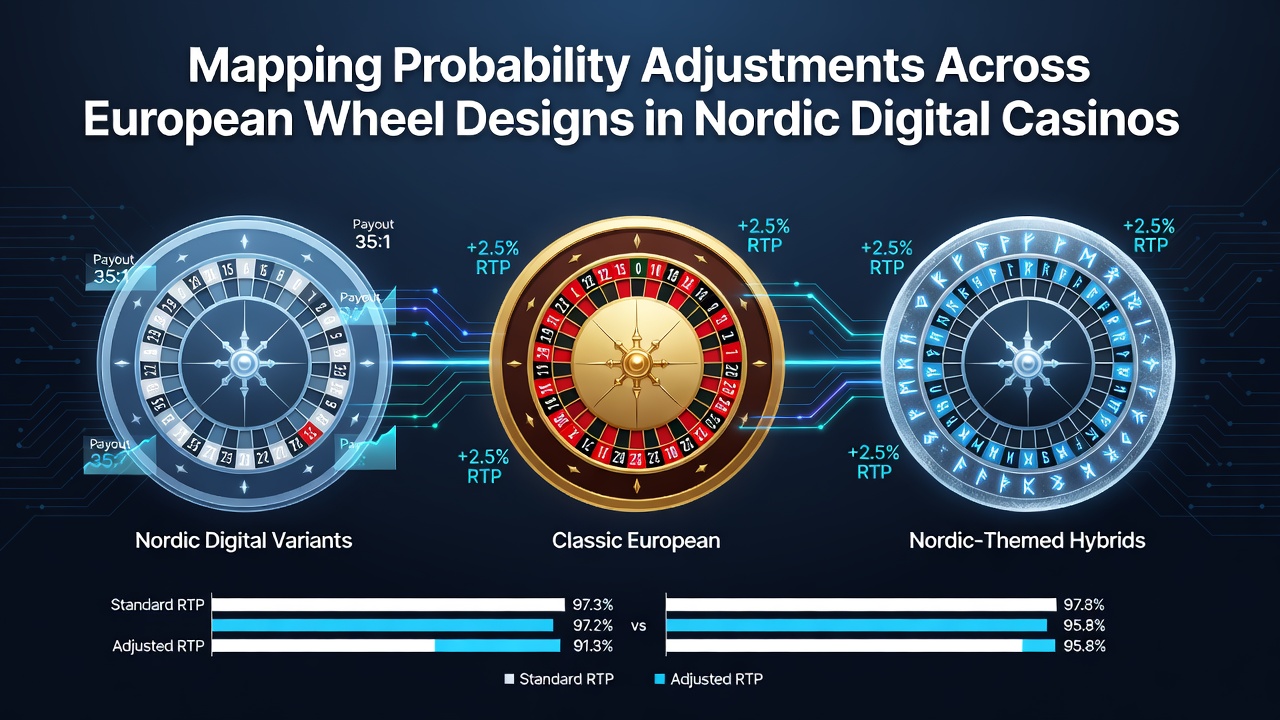
Mapping Probability Adjustments Across European Wheel Designs in Nordic Digital Casinos
European roulette wheels contain 37 pockets with numbers from 0 to 36 and this configuration sets the foundation for probability calculations in many Nordic digital casino environments where operators map adjustments to match local licensing requirements and technical standards. The single zero creates a house edge of 2.70 percent according to standard calculations and digital versions in Finland, Sweden, Denmark, and Norway replicate these odds through certified random number generators that undergo regular audits.
Core Elements of European Wheel Configurations
Nordic platforms present European wheel designs in virtual formats yet implement subtle mapping variations that adjust sector probabilities without altering the fundamental 37-pocket structure and these changes often arise from software providers aligning outputs with national gaming laws. Observers note that pocket sequencing follows the traditional pattern where red and black alternate while the zero sits opposite the number 1, and digital interfaces maintain this layout to preserve visual consistency for players across mobile and desktop applications.
Research from academic institutions indicates that probability adjustments appear most frequently in the distribution of even-money bets and column bets where algorithms fine-tune return-to-player percentages within regulatory limits. Data shows these mappings remain within 0.1 percent variance from physical wheel benchmarks and certification bodies verify each adjustment before platforms launch updates.
Regional Implementation Patterns in Nordic Markets
Swedish operators apply probability mappings that emphasize compliance with Spelinspektionen guidelines while Danish platforms follow similar protocols under the Danish Gambling Authority framework and both regions require transparent reporting of any RNG modifications. Finnish digital casinos incorporate adjustments that reflect Veikkaus operational standards and Norwegian sites align with Norsk Tipping protocols, creating a patchwork of mapped probabilities that share core European wheel traits yet diverge in minor calibration details.
Turns out these regional differences become evident when analysts compare hit frequencies for specific number groups across multiple operators and figures reveal consistent patterns where certain low-probability outcomes receive slight recalibrations to meet average RTP targets set by each authority. The reality is that such mappings do not change the single-zero advantage but they allow platforms to optimize game flow and session length metrics.
Techniques for Mapping Adjustments
Analysts employ statistical modeling to track probability shifts across European wheel simulations and these methods include sector frequency analysis combined with payout distribution reviews. Software tools generate heat maps that highlight zones where adjustments concentrate most often and experts apply Monte Carlo simulations to test long-term outcomes under varied mapping scenarios.
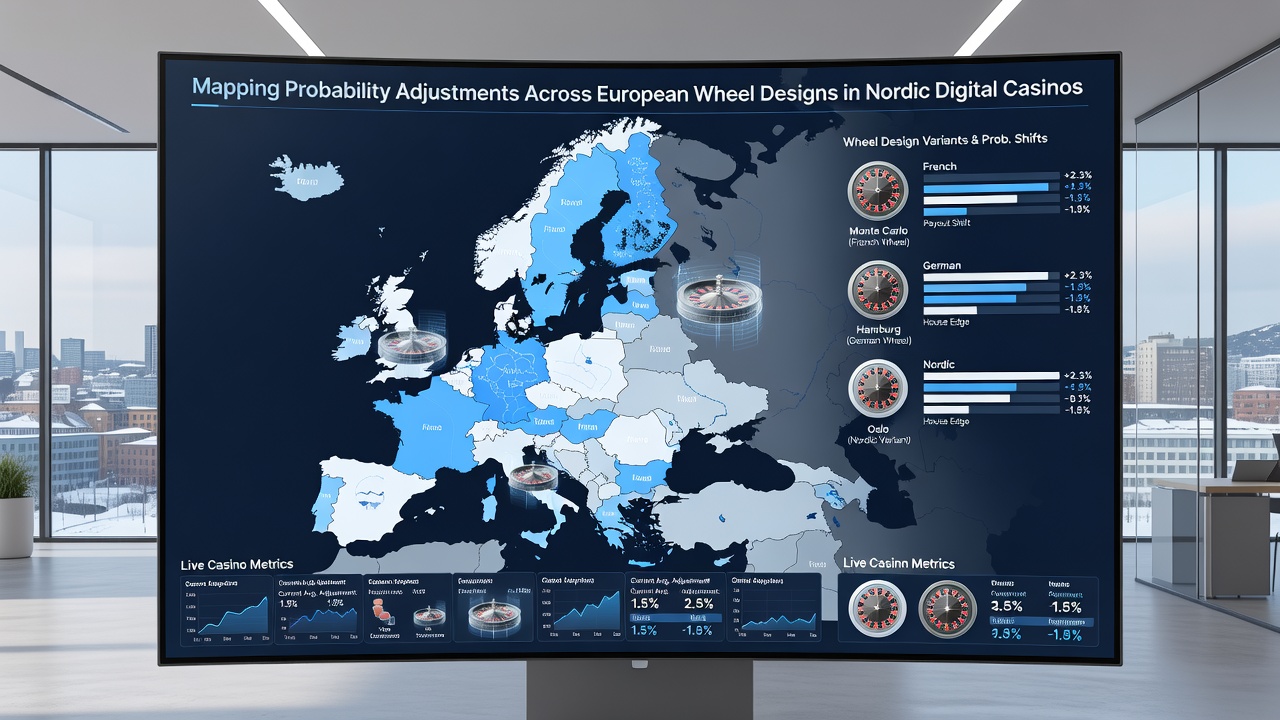
One study revealed that adjustments cluster around the zero and neighboring numbers because these pockets influence several betting categories simultaneously and operators use this clustering to balance overall return rates. What's interesting is how digital platforms log every spin sequence to produce audit trails that regulators review during compliance checks and this process ensures mappings stay within approved parameters.
Developments Observed Through August 2026
By August 2026 several Nordic operators had rolled out refined mapping protocols that incorporated real-time monitoring of player behavior data while maintaining strict adherence to European wheel probabilities and these updates addressed emerging requirements for responsible gaming features. Reports from industry groups such as the European Gaming and Betting Association show that adjusted RNG parameters helped stabilize average session durations without exceeding permitted house edge thresholds.
Additional findings from university research projects indicate that cross-border comparisons between Swedish and Danish platforms uncovered minor divergences in how column bet probabilities were calibrated and these variations stemmed from differing interpretations of shared EU technical standards. The ball's in the court of each national regulator to harmonize further mappings as digital casino volumes continue to rise.
Conclusion
Mapping probability adjustments across European wheel designs in Nordic digital casinos reflects a balance between preserved traditional odds and region-specific technical calibrations that regulators enforce through ongoing audits. Evidence suggests these processes support consistent gameplay experiences while allowing operators flexibility within defined limits and continued monitoring through 2026 and beyond will determine how further refinements evolve in response to technological and legislative shifts.